
Home
Contact us Primium number 1 flag maker near me
Introduction to Flag Making
The art of flag making is a multifaceted discipline that has evolved significantly over centuries, intertwining elements of history, culture, and craftsmanship. Flags serve as powerful symbols for nations, organizations, and movements, representing not only the identity of a people but also their shared values, aspirations, and histories. Their development can be traced back to ancient civilizations, where banners were crafted to signify armies and denote territorial claims. The importance of these symbols has only intensified as societies have advanced, reflecting the pride and unity of communities worldwide.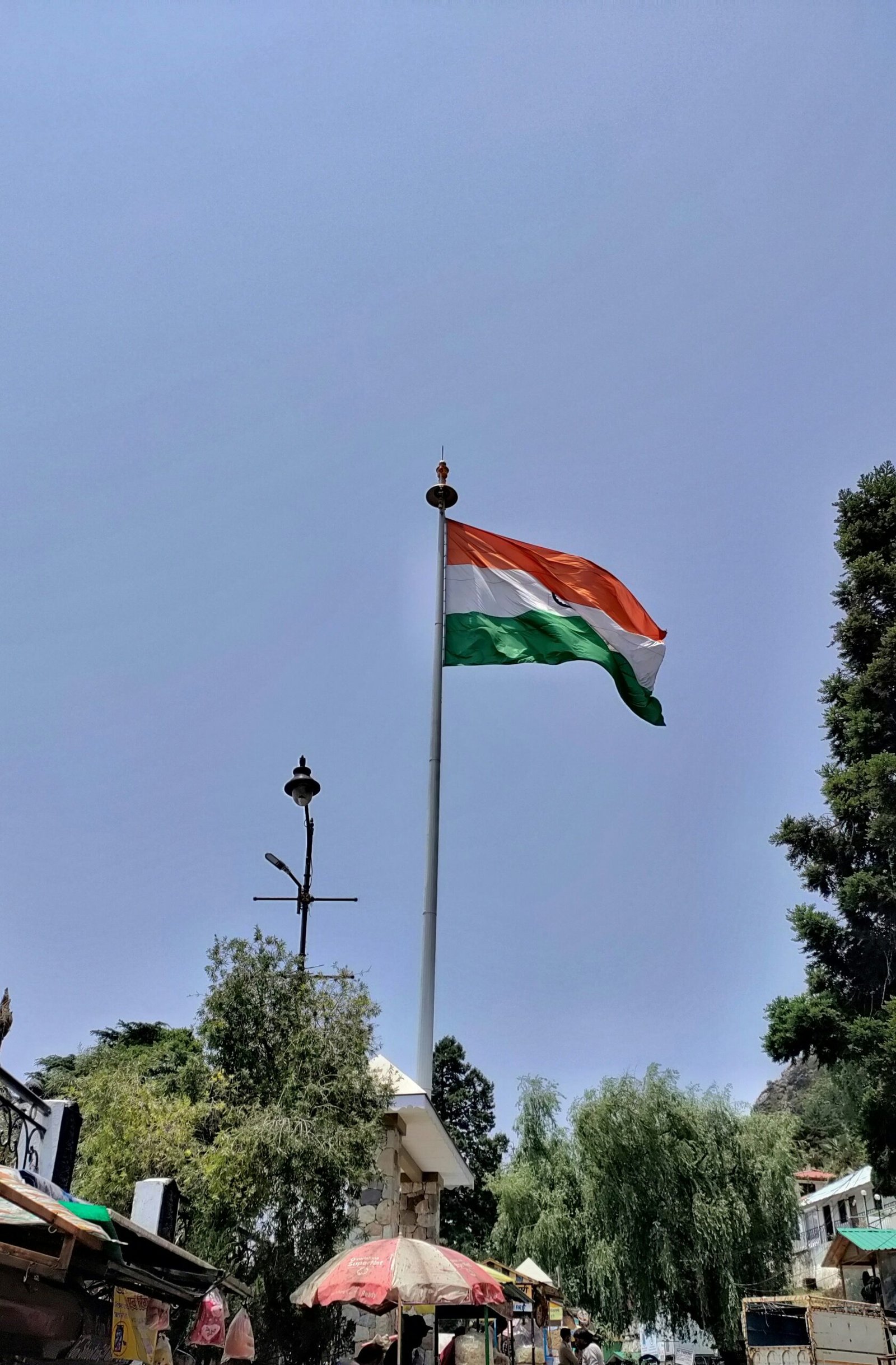
Throughout history, flags have assumed diverse forms and meanings across various cultures, with each design often carrying deep significance. Colors, patterns, and motifs are meticulously selected to convey specific messages, making the flag an essential communication tool. For instance, national flags often utilize colors that represent key historical events, cultural aspects, or natural features unique to a particular nation. Similarly, flags for institutions or events can encapsulate the vision or mission of the organization or celebration, further showcasing their cultural relevance.
As societies grew more interconnected, the field of flag manufacturing began to evolve towards modern practices. Advancements in textile technology and printing methods have allowed for greater precision and creativity in flag designs. Modern flag makers combine artistic skill with technical expertise, ensuring that each flag meets industry standards for durability and visual impact. High-quality flags are crafted from materials that withstand the elements while maintaining vibrant colors and intricate patterns. Understanding these developments provides a comprehensive view into what differentiates superior flag manufacturing from lesser products, emphasizing the significance of craftsmanship in creating lasting symbols of identity.
Understanding Flag Materials
The choice of material is a pivotal aspect of flag manufacturing, as it directly influences the flag’s durability, appearance, and suitability for various environments. Among the most commonly used materials are nylon, polyester, and cotton, each offering distinct properties and benefits.

Nylon is one of the most popular materials for flags intended for outdoor use. Known for its lightweight nature, nylon is resistant to fading and provides excellent color vibrancy, ensuring that the designs are vivid and eye-catching. It also dries quickly, making it ideal for areas subjected to moisture. This attribute enhances longevity, ensuring that flags maintain their appeal even in harsher weather conditions. However, when subjected to extreme conditions, nylon can become fragile, prompting careful consideration of its environment.

Polyester, on the other hand, is another widely favored fabric for both indoor and outdoor flags. It boasts high resistance to tearing and fraying, which contributes to its durability. Polyester flags are particularly well-suited for banners that will be displayed in areas with significant wind exposure. Additionally, the material holds dye well, allowing for sharp, long-lasting design elements. While polyester flags tend to be heavier than nylon ones, their sturdiness makes them a preferred choice for many flag manufacturers.
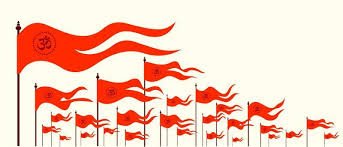
Cotton, while less common for outdoor flags, plays a significant role in the manufacturing of decorative and ceremonial flags. It provides a classic look and a soft texture, making it visually appealing for indoor displays. However, cotton fabrics are more prone to fading and deterioration when exposed to the elements, thus limiting their use in outdoor settings. Flag manufacturers may choose cotton for its aesthetic qualities but should consider the potential longevity issues when used outside.
Ultimately, understanding the various materials used in flag manufacturing is essential in selecting the right fabric for specific applications. Factors such as durability, environmental exposure, and the desired appearance must all be taken into account to ensure that each flag serves its purpose effectively.
The Flag Design Process
The design of a flag is a meticulous blend of artistic expression and scientific principles, with significant emphasis placed on color psychology, symbolism, and geometric shapes. When creating a flag, designers must consider how colors convey emotions and represent cultural values. For example, red often symbolizes bravery or strength, while blue can evoke feelings of peace and tranquility. Understanding these associations is essential, as the right color choice can enhance the flag’s impact and resonance with its intended audience.
Symbolism plays a pivotal role in flag design as well, with various shapes and patterns holding distinct meanings across cultures. A star might represent aspirations or guidance, while stripes could signify unity or division, depending on the context. Designers need to be adept in recognizing these symbols and their implications to ensure the flag resonates with its viewers on a deeper level.
Moreover, the incorporation of geometric shapes in flag design provides both aesthetic appeal and functional clarity. Simplicity is key: many successful flags utilize bold and uncomplicated designs that are easily recognizable from a distance. For instance, the flag of Japan is characterized by a simple red circle on a white background, making it instantly identifiable and rich in meaning.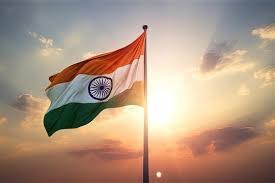
Adhering to established design standards is also paramount. Various organizations, such as the North American Vexillological Association, provide guidelines that encourage simplicity, meaningful symbolism, and a limited color palette. Through this adherence, flag designers can create flags that not only look visually appealing but also communicate the identity and values of the group they represent.
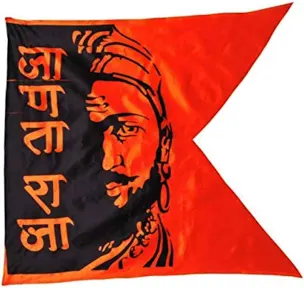
Examples of notable flags that utilize these principles include the flags of Mexico, which incorporates rich symbolism and vibrant colors, and the flag of California, recognized for its simple yet impactful design. These flags illustrate how effective design can encapsulate complex narratives and foster a sense of pride among those who identify with them.
Techniques in Flag Production
Flag production involves several intricate techniques, each contributing uniquely to the aesthetics and durability of the final product. Among the most prominent methods are dye-sublimation, screen printing, and embroidery. Each technique possesses its own advantages and disadvantages, which influence the visual appeal and longevity of the flags produced.
Dye-sublimation is a popular choice for creating vibrant and detailed designs. This process involves printing a design onto special transfer paper using sublimation inks, which are then applied to the fabric through heat and pressure. The heat causes the dye to turn into gas, allowing it to bond with the fibers of the fabric. One significant advantage of dye-sublimation is its ability to produce intricate, full-color images that are resistant to fading. However, it is generally suited for synthetic materials such as polyester and may not be as effective with natural fabrics.
Screen printing, another common method, utilizes a stencil to apply ink onto fabric. This technique is particularly effective for bold designs with fewer colors. Screen printing is known for its durability; the inks used are typically resistant to fading and wear over time. Nevertheless, it is less ideal for complex images and might not provide the same level of detail as dye-sublimation. Additionally, setup costs can be high, making it less viable for small production runs.
Embroidery, on the other hand, involves stitching designs directly onto the fabric. This technique imparts a tactile quality to the flags, often creating a sense of elegance and sophistication. While embroidery is highly durable and visually appealing, it can be cost-prohibitive for large designs or flags with intricate details. Embroidery also typically involves a longer production time compared to other methods.
In conclusion, the choice of flag production technique significantly impacts the flag’s overall quality and suitability for various applications. Understanding these methods allows for informed decisions when selecting flags for personal or commercial use.
Quality Control in Manufacturing
Quality control is an integral aspect of flag manufacturing, ensuring that the final products meet the high standards expected by customers and comply with industry regulations. Flag manufacturers implement a range of rigorous processes to scrutinize the materials, print quality, and overall aesthetic appeal of each flag. This proactive approach not only enhances product reliability but also acts as a safeguard against defects that could compromise performance or customer satisfaction.
The first step in the quality control process involves the inspection of raw materials. Manufacturers utilize only high-grade fabrics and dyes that are durable and fade-resistant to withstand varying weather conditions. By partnering with reputable suppliers, flag manufacturers can ensure that the materials they use possess the necessary certifications for both quality and safety. Before production begins, materials are tested for tensile strength, colorfastness, and overall durability, laying the groundwork for superior flags.
Following the material inspection, emphasis is placed on print quality checks. Advanced printing techniques, such as dye-sublimation and screen printing, are employed to ensure vibrant colors and detailed designs. Quality control teams regularly conduct tests to verify that the print alignment is accurate and that the ink adheres properly to the fabric. This meticulous attention to detail helps avoid common issues such as color bleeding or misaligned graphics, assuring customers of a professional and polished final product.
Finally, the finishing touches on the flags undergo careful scrutiny. This includes inspecting the stitching, hems, and overall construction to ensure that every flag is not only visually appealing but built to last. Flags are scrutinized for any imperfections, and defects are promptly addressed to maintain the manufacturer’s reputation for excellence. By implementing comprehensive quality control measures throughout the manufacturing process, flag manufacturers can deliver products that consistently meet the high standards of their clients.
Customization and Special Orders
Customization plays a crucial role in flag manufacturing, allowing both individuals and businesses to create flags that truly reflect their unique identity and purpose. The growing demand for personalized designs has opened avenues for clients to select specific elements tailored to their needs. Whether it involves incorporating logos, selecting color schemes, or even integrating custom text, manufacturers are equipped to transform creative ideas into tangible flags.
One of the primary aspects of customization is the ability to choose special dimensions. While standard flags serve general purposes, various occasions may necessitate non-traditional sizes. From towering banners for outdoor events to small handheld flags for personal use, custom dimensions are easily accommodated. Flag producers understand that different contexts require different features, and they strive to meet these specific requirements efficiently.
The process for ordering custom flags typically begins with a consultation, during which clients can discuss their vision with flag specialists. This collaboration ensures that all important elements are captured in the final design. After the initial design phase, clients may receive digital proofs to review before proceeding with production. This practice not only adds an extra layer of confidence for the customer but also enables any necessary adjustments to be made prior to finalizing the order.
For businesses, customization goes beyond personal identity. Custom flags are often utilized for promotional purposes, grand openings, and branding at events. By choosing bespoke options, businesses can stand out in competitive markets. In essence, the flexibility offered in flag customization and special orders is instrumental in catering to diverse client needs, resulting in flags that not only serve functional purposes but also encapsulate individual and brand stories.
Sustainability in Flag Manufacturing
The flag manufacturing industry has seen a significant shift towards sustainability in recent years, driven by increasing consumer awareness regarding environmental issues. As more customers express a preference for eco-friendly products, manufacturers are adapting their practices and materials to meet this growing demand. This transition not only benefits the environment but also enhances the brand reputation of manufacturers who embrace sustainable principles.
One of the key aspects of sustainable flag manufacturing is the use of eco-friendly materials. Traditional synthetic fabrics, such as polyester, are often derived from petroleum, creating a large carbon footprint during their production. In response, flag manufacturers are exploring alternatives like organic cotton, recycled polyester, and innovative biodegradable materials. These options not only reduce environmental impact but may also provide consumers with high-quality products that align with their values.
Beyond materials, production practices are also evolving to embrace more sustainable methodologies. Many manufacturers are investing in energy-efficient machinery, minimizing water usage, and implementing waste-reduction strategies throughout the production process. For instance, some companies are adopting digital printing technologies that use fewer resources compared to traditional methods, thereby lessening both energy consumption and waste generation.
Moreover, flag manufacturers are re-evaluating their supply chains to ensure they support sustainable practices at every level. By sourcing materials from certified suppliers who prioritize environmental stewardship, these manufacturers can reinforce their commitment to sustainability. This comprehensive approach not only addresses the current market demands but also positions the industry to adapted even further in an increasingly eco-conscious world.
In conclusion, the flag manufacturing industry is undergoing significant transformations to enhance sustainability through the adoption of eco-friendly materials and practices. As consumer demand for sustainable products continues to rise, manufacturers are actively refining their approaches to address these concerns, signaling a promising future for eco-conscious flag production.
The Market and Demand for Flags
The market for flags has evolved significantly over the years, reflecting changes in consumer preferences and institutional needs. Flags serve various functions, from representing national identities to being used in promotional activities, therefore, both the consumer and institutional markets play pivotal roles in driving demand. In the consumer market, the inclination towards personalization has surged, with many individuals opting for custom flags for events such as birthdays, graduations, and community celebrations. This trend indicates a growing appreciation for flags as a form of expression, expanding their role beyond traditional uses.
Institutional demand remains robust, encompassing government agencies, military organizations, educational institutions, and corporations. These entities typically require flags for formal ceremonies, parades, and significant national holidays. Educational institutions often utilize flags to imbue a sense of pride and unity among students and faculty, while corporations utilize flags for branding and promotional purposes. Thus, both consumer and institutional markets contribute significantly to the flag manufacturing industry’s growth.
Recent geopolitical developments have notably influenced flag sales. Events such as political turmoil, sports tournaments, and international collaborations lead to spikes in demand for national flags as individuals seek to express solidarity or national pride. Moreover, with the rise of social media, there has been an increase in awareness and advocacy for various causes, prompting more people to purchase flags that symbolize their beliefs or affiliations. As such, the flag industry adapts to these changes, ensuring that they fulfill the diverse expectations of their clientele.
In conclusion, the current market landscape for flags reveals a dynamic interplay between consumer desires and institutional requisites, alongside the impact of geopolitical events. This complex interplay not only shapes trends in flag sales but also necessitates a responsive flag manufacturing industry ready to cater to evolving demands.
Future Trends in Flag Manufacturing
As the flag manufacturing industry evolves, several trends are likely to shape its future. One of the most significant advancements is the integration of technology in the production process. Innovations such as digital printing and 3D design are allowing manufacturers to produce more intricate designs with greater accuracy and efficiency. This technological shift is not only speeding up the production time but also enabling more customized flags that can cater to specific customer requests. Furthermore, advancements in fabric technologies have led to the development of more durable and vibrant materials that enhance the visual appeal and longevity of flags.
Consumer preferences are also undergoing a transformation, influenced by a growing awareness of sustainability and environmental concerns. Manufacturers are increasingly turning to eco-friendly materials and production methods to meet the demands of environmentally conscious consumers. Recycled fabrics and low-impact dyes are becoming more prevalent, reflecting a shift towards more responsible flag manufacturing practices. This change not only resonates with consumer values but also highlights the importance of sustainability within the industry.
Additionally, the impact of social movements on flag designs cannot be overlooked. With the rise of various social and political initiatives, flags have become powerful symbols representing diverse causes. The increasing demand for flags that reflect these movements indicates a shift in consumer interests, pushing manufacturers to be more responsive and innovative in their designs. The incorporation of inclusive and representative elements in flag manufacturing may very well become a standard practice to appeal to a broader audience.
As we look to the future, the flag manufacturing industry stands at a crossroads. The integration of advanced technologies, the emphasis on sustainability, and the influence of social movements will likely shape not only the products offered but also the strategies employed by manufacturers. It is a pivotal moment that promises both challenges and opportunities for growth and adaptation within the industry.Top Flag Manufacturers and Suppliers in Pune: A Comprehensive Guide
भगवा झेंडा उत्पादक पुणे • ध्वज दुकान पुणे — Punekar Zendewale 2025